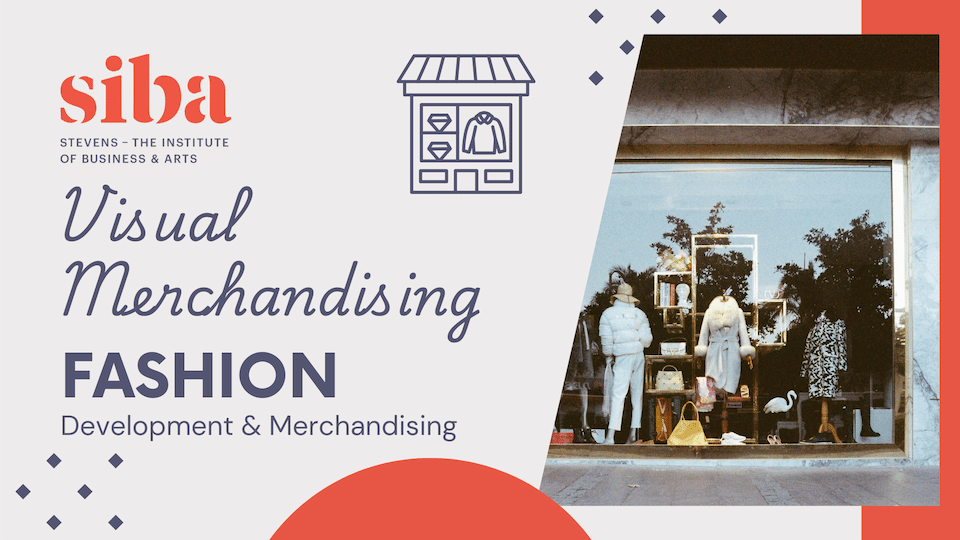
Visual merchandising is the art of displaying products in stores to attract customers and boost sales. It’s about making things look good so people want to buy them.
When you walk into a store, everything you see—the window display, how clothes are folded, where items are placed, the colors, the lighting—was all planned by a visual merchandiser. These professionals use design, psychology, and retail strategy to create experiences that make customers stop, look, and buy.
What Does a Visual Merchandiser Do?
Visual merchandisers design and set up product displays. They work on window displays, in-store layouts, mannequin styling, and digital displays. Their job is to show products in the best possible way so customers understand what they’re looking at and want to purchase it.
On a day-to-day basis, visual merchandisers might:
- Design and build window displays that catch people’s attention
- Arrange clothing on racks and shelves to highlight new items
- Style mannequins to show how outfits look together
- Create seasonal displays and promotions
- Choose colors, lighting, and props to set the right mood
- Analyze what works and adjust displays based on customer response
Why Does Visual Merchandising Matter?
Visual merchandising is not just about making things pretty. It directly affects sales. Effective point-of-purchase displays and signage can meaningfully influence in-store purchase behavior. Research has found sales lifts in specific retail settings, though the size of the lift depends on the product, display placement, signage, promotion, and audience. A commonly cited older benchmark suggests that roughly 70%–73% of supermarket purchase decisions are made or finalized in-store.
Here’s how it works: When you walk into a store and see a perfectly styled window display, your brain responds. The colors catch your eye. The arrangement makes sense. The lighting draws you in. This isn’t accident—it’s strategy. Visual merchandisers use color psychology, spatial design, and understanding of human behavior to make you want to enter the store and buy.
Think about high-end fashion stores. Every item is placed with intention. Every display tells a story. That’s visual merchandising. Compare that to a cluttered, poorly lit store where products are just thrown on shelves. Which one makes you want to shop?
For fashion students and retail workers, visual merchandising is a critical skill. Employers actively hire for these roles, and the salary ranges from $25,000 to $55,000+ depending on experience, location, and the retailer. Major brands like Nike, H&M, Zara, and luxury houses invest heavily in visual merchandising because they know it drives revenue.
What Skills Do You Need?
To succeed in visual merchandising, you need:
- Design eye: Understanding color, balance, composition, and what looks good. You need to know why certain colors work together and how to create visual harmony.
- Problem-solving: Figuring out how to display products effectively with limited space. How do you showcase 50 items in a small window? That takes creative thinking.
- Creativity: Coming up with original ideas that stand out. Stores need displays that make people stop and look.
- Communication: Working with store managers and marketing teams to execute displays. Visual merchandising doesn’t happen in a vacuum.
- Psychology: Understanding what catches people’s eyes and motivates them to buy. Why do people gravitate toward certain displays and not others? What makes them hesitate?
- Technical skills: Using design software, lighting equipment and construction tools. You’re building displays, not just imagining them.
This is a hands-on field. You’ll be building displays, working with tools, styling mannequins, and thinking about customer psychology every day. It’s creative work that requires both artistic vision and practical execution.
Visual Merchandising in Practice: Real-World Examples
Visual merchandising shows up everywhere. When Apple displays a new iPhone in their stores, every detail is controlled—the lighting, the angle, the background, the empty space around it. That’s visual merchandising. When a boutique creates a window display showing how to style an outfit from head to toe, that’s visual merchandising. When a grocery store puts fresh produce at the front with bright lighting and attractive signage, that’s visual merchandising too.
The goal is always the same: make products look desirable and make customers want to buy them. The strategy might be different for a luxury brand versus a discount retailer, but the principle is identical.
Visual Merchandising Career Opportunities
Visual merchandising isn’t just a job—it’s a career path. You can start as a visual merchandising assistant and move up to:
- Senior visual merchandiser
- Visual merchandising manager
- Store designer
- Brand experience designer
- Creative director
- Retail strategist
Retailers, fashion brands, department stores, e-commerce companies, and even tech companies need visual merchandisers. The skills transfer across industries too—you could work in fashion, home goods, beauty, electronics, luxury goods, or any retail environment. Some visual merchandisers even launch their own consulting businesses, helping smaller retailers create effective displays.
How to Get Started
If you’re interested in visual merchandising, you need hands-on experience and training. At Siba, our Fashion Development & Merchandising program includes:
- Courses specifically in visual merchandising and display design
- Training in retail strategy and customer psychology
- Real-world internship opportunities with local retailers
- Hands-on projects where you design and build your own displays
- Networking with fashion industry professionals
- Mentorship from experienced visual merchandisers
Our students learn by doing. You’ll create actual displays, style mannequins, plan window designs, and work on real retail projects. This prepares you for a real career in the field. By the time you graduate, you’ll have a portfolio of work that shows employers what you can do.
Visual merchandising is a skill that’s in demand, that pays well, and that offers real career growth. Whether you want to work for a major retailer, a boutique, or launch your own business, this skill opens doors.
Visual Merchandising by the Numbers
According to the U.S. Bureau of Labor Statistics, merchandise displayers and window trimmers earned a mean annual wage of $42,830 as of May 2025, with wages varying by experience, employer, and location.
Location matters. St. Louis offers visual merchandising opportunities at major retailers throughout the metro area. You’ll find positions at shopping centers like Plaza Frontenac and West County Center, department stores, boutiques in the Central West End and Clayton, and corporate offices for retailers headquartered here.
The retail industry continues to invest in visual merchandising because it works. Companies know that strong displays increase sales, improve customer experience, and strengthen brand identity. Whether customers shop in person or online, visual presentation drives purchasing decisions.
Why Study Visual Merchandising at SIBA
SIBA’s location in downtown St. Louis puts you right in the Garment District at 1521 Washington Avenue. You’re surrounded by fashion history and close to retailers who hire our graduates. Our Fashion Development & Merchandising program combines creative skills with business fundamentals, preparing you for real careers in the industry.
You’ll learn from faculty who’ve worked in the field. You’ll build actual displays, not just study them in textbooks. You’ll graduate with a portfolio showing employers what you can create.
Learn more about all of our programs in Fashion Development and Merchandising, Business Administration, Real Estate and Interior Design. Our team of experienced staff are ready and willing to help you refine your skills and build you up to reach your potential in your selected area of study. Reach out to our team today for more information! Your career and professional life begin at Siba!